


-

Add: HeBei ShengShi HongBang Cellulose Technology CO.,LTD.
-

Email
13180486930@163.com -

CONTACT US
+86 13180486930
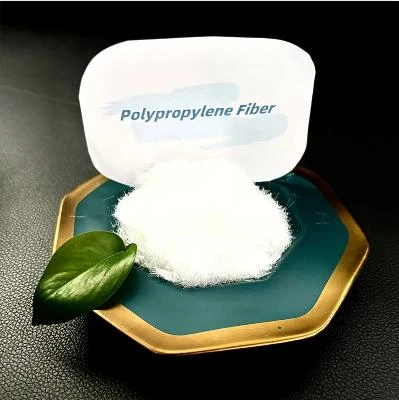
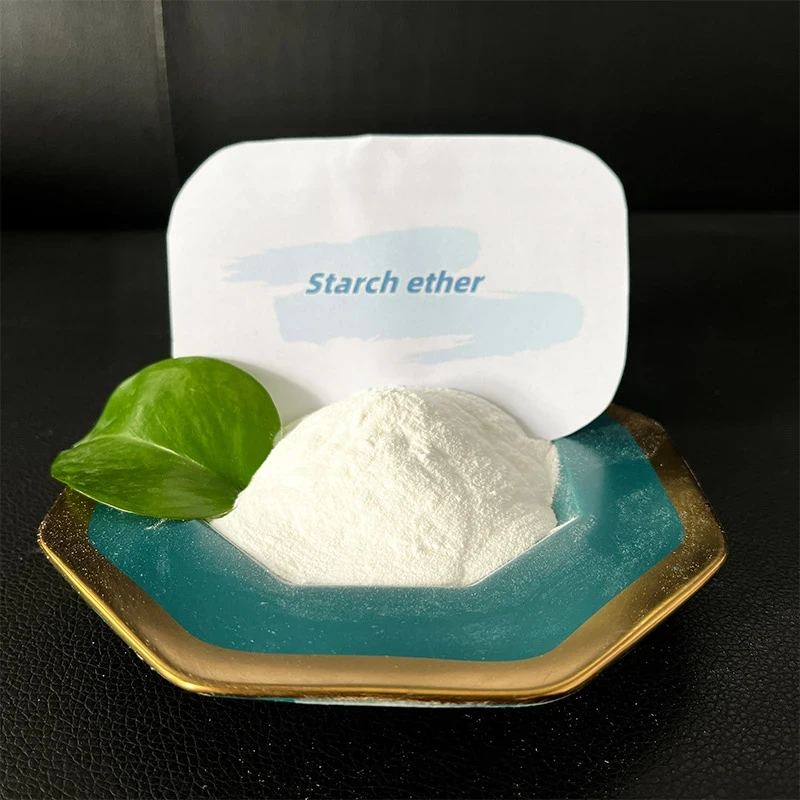


Modified starch is a versatile ingredient used across a wide range of industries, from food production to pharmaceuticals and construction. Among the different modified starch types , each serves a unique purpose, depending on the specific needs of the application. Modified starch is produced by altering the structure of natural starch to improve its properties, such as solubility, texture, and resistance to temperature changes. This adaptability makes it a key component in industries where high-performance materials are required. Understanding the various modified starch types is crucial for selecting the right product for each application. For example, some types of modified starches are designed to enhance the texture and mouthfeel of processed foods, while others are used as thickening agents or binders in adhesives, paints, and coatings. In this article, we will explore the different modified starch types , their uses, and how starch ether and its related products, like starch ether China , are driving innovation across industries. The Role of Starch Ether in Modern Manufacturing One of the key innovations in the world of modified starch is starch ether , a derivative of starch that has been chemically altered to provide enhanced functionality. Starch ether is typically used to modify the water retention, adhesion, and texture of starch-based products, making it invaluable in industries such as construction, textiles, and personal care. The versatility of starch ether makes it suitable for a broad range of applications, from improving the consistency of building materials to enhancing the properties of cosmetics and pharmaceuticals. The addition of starch ether to various products imparts superior binding capabilities, better viscosity control, and improved stability. For instance, in the production of starch ether China , which is a widely sourced product for global manufacturers, the ether modification allows for superior performance in products such as adhesives, paints, and coatings. Its ability to control the flow and viscosity of liquids is crucial in applications where consistency is important, such as in the formulation of emulsions and gels. Understanding Starch Ether Uses Across Industries Starch ether uses extend far beyond the food industry, where starch is most commonly associated. In fact, starch ether is increasingly being adopted in numerous industrial applications due to its ability to enhance the performance of products in areas like construction, pharmaceuticals, and personal care. Some of the most common starch ether uses include serving as a thickening agent, stabilizer, binder, and dispersing agent. In the construction industry, for example, starch ether is often included in the formulation of cement and gypsum-based products, such as tile adhesives and plasters. It improves the workability and water retention of these materials, ensuring they stay moist for longer periods during application, which is crucial for proper curing. In pharmaceuticals, starch ether uses as a binder in tablet formulations improve the compressibility and disintegration properties, enhancing the effectiveness and ease of use of the medications. The personal care sector also benefits from starch ether uses , especially in products like lotions, creams, and shampoos. It helps stabilize emulsions, improve texture, and enhance the product's spreadability, making it easier for consumers to apply and absorb. With its wide range of applications, starch ether proves to be a vital component in modern manufacturing processes across industries. Starch Ether China: Leading the Way in Global Production China plays a pivotal role in the global production and supply of starch ether , offering a wide range of products to meet the needs of international markets. Starch ether China has become synonymous with high-quality, cost-effective solutions for manufacturers around the world. The country's advanced manufacturing facilities, combined with its large-scale agricultural production of starch, make it a leading producer of modified starch and starch ether products. The demand for starch ether China continues to grow as industries increasingly turn to modified starch for its numerous benefits. One of the advantages of sourcing starch ether China is the ability to access competitively priced products without sacrificing quality. Chinese manufacturers are constantly innovating and improving their processes, ensuring that starch ether China remains at the forefront of the global market. Whether for use in food production, construction materials, or cosmetics, Chinese suppliers are able to meet the diverse needs of customers around the world. Factors Affecting Starch Ether Price and How to Get the Best Value When it comes to purchasing starch ether , one of the key factors that businesses need to consider is the starch ether price . The cost of starch ether can vary depending on several factors, such as raw material availability, manufacturing processes, and global supply chains. Understanding these factors is essential for businesses looking to optimize their procurement strategy and ensure they get the best value for their investment. Starch ether price is typically influenced by the cost of the underlying starch, as well as the complexity of the modification process required to produce the ether. Additionally, fluctuations in the global demand for modified starches can impact the price, as industries in food production, construction, and personal care all seek to incorporate starch ether into their formulations. Supply chain dynamics, including transportation costs and regional production capabilities, also play a role in determining the final price. To get the best value, businesses should work closely with suppliers to understand the market trends and identify opportunities for bulk purchasing or long-term contracts. When sourcing from countries like China, which offer starch ether China at competitive prices, companies can benefit from lower costs without compromising on quality. Additionally, it is important to consider the overall performance benefits that starch ether provides, as these can offset initial price differences by enhancing the quality and functionality of the final product. M odified starch types , starch ether , and their various applications play a crucial role in a wide array of industries. From improving the workability of construction materials to enhancing the texture of personal care products, starch ether is a vital component in modern manufacturing processes. With starch ether China emerging as a leading supplier on the global market, businesses now have access to high-quality products at competitive prices. By understanding the various starch ether uses and factors that influence starch ether price , companies can make informed decisions to maximize the benefits of these versatile and sustainable materials.
- 40000tons

Production
- 20+years

Experience
- 5000+㎡

Acreage

-
The Emergence and Significance of Manufactured Fiber in the Textile Industry Manufactured fibers, commonly referred to as synthetic fibers, play a pivotal role in the modern textile industry. These fibers, created through chemical processes, differ significantly from natural fibers such as cotton, linen, or wool. Their unique properties, versatility, and the ability to cater to specific consumer needs have solidified their position in the fabric market. The Emergence and Significance of Manufactured Fiber in the Textile Industry One of the key advantages of manufactured fibers is their ability to be engineered for specific functionalities. For instance, polyester is widely known for its strength and resistance to shrinking and stretching, making it an excellent choice for outdoor and performance wear. Similarly, nylon offers exceptional elasticity and resilience, which is why it is commonly used in activewear and lingerie. Innovations in fiber technology have resulted in products like moisture-wicking fabrics, anti-microbial treatments, and UV-resistant textiles, catering to the evolving demands of consumers who seek durability and specialized performance in their clothing. fibra manufacturada Moreover, the economic implications of manufactured fibers are substantial. As the global demand for textiles continues to grow, the capacity to produce synthetic fibers at scale provides manufacturers with the ability to meet a variety of market needs efficiently. These processes are often less labor-intensive compared to the cultivation of natural fibers, which can be affected by environmental conditions and rely heavily on agricultural practices. The consistent output and lower production costs associated with manufactured fibers create a more stable market environment, contributing to the overall economy in terms of job creation and industry development. However, the rise of manufactured fibers has not been without controversy. Environmental concerns regarding the production and disposal of synthetic fibers have been increasingly scrutinized. The petroleum-derived nature of many synthetic fibers raises questions about sustainability, as these materials contribute to pollution and are typically non-biodegradable. Efforts to address these challenges have sparked innovations in recycling and the development of bio-based synthetic fibers that aim to minimize the carbon footprint of textile production. Brands focusing on sustainability are now investing in closed-loop systems to recycle polyester and other synthetic materials, thus reducing waste and promoting a more circular economy. In addition to the environmental challenges, there is also a growing consumer consciousness regarding the impact of manufactured fibers on skin health. Some individuals may experience irritation or allergic reactions to synthetic materials, leading to a demand for hypoallergenic options. As a response to these concerns, manufacturers are developing new fibers that combine the benefits of synthetic materials with the qualities of natural fibers, such as breathability and softness. In conclusion, manufactured fibers have profoundly influenced the textile industry by providing versatile, high-performance alternatives to natural fibers. While they present challenges in terms of sustainability and consumer health, ongoing innovations and a shift toward more environmentally friendly practices indicate a promising future for these materials. As technology and design continue to evolve, the textile landscape will undoubtedly reflect a balance between the advantages of manufactured fibers and the growing need for responsible consumption and production practices. The journey of manufactured fibers from inception to present-day use highlights the dynamic nature of fashion and textile development, driven by both necessity and innovation.
-
Methylcellulose artificial tears have emerged as a significant innovation in the field of ophthalmology, offering an essential solution to the pervasive issue of dry eyes. With the increasing screen time and environmental pollutants contributing to eye discomfort, more people are searching for effective relief methods. To add credibility to this discussion, it's vital to delve into the actual experiences of users, professional insights, and authoritative validations that surround these artificial tears. Methylcellulose , a cellulose derivative, plays a fundamental role in the formulation of artificial tears. This ingredient is known for its exceptional water-retaining properties, making it an effective lubricant for dry eyes. Real-life experiences demonstrate that individuals suffering from chronic dry eyes report substantial relief after incorporating methylcellulose artificial tears into their daily routine. For instance, many users have noticed a significant reduction in symptoms such as redness, irritation, and the sensation of grittiness. Testimonials often highlight the product's quick onset of action, with users feeling soothing relief within minutes of application. Expertise in ophthalmology underscores the importance of choosing the right artificial tear formulation. Methylcellulose-based products are highly recommended by eye care professionals due to their biocompatibility and non-irritating nature, which is crucial for long-term use. Doctors emphasize that these artificial tears maintain ocular surface health by providing a protective layer that mimics natural tear film. This not only alleviates discomfort but also promotes healing of the fragile eye surface. From an authoritative standpoint, several studies have confirmed the efficacy and safety of methylcellulose in artificial tears. Clinical trials suggest that regular use can lead to improved tear film stability, reduced ocular surface stress, and enhanced overall eye health. Such scientific endorsements offer a layer of trustworthiness for those considering methylcellulose-based solutions. Regulatory bodies, including the FDA, recognize and approve methylcellulose for use in ophthalmic applications, further validating its safety profile. methylcellulose artificial tears Trustworthiness of methylcellulose artificial tears is also reinforced through the transparency of product formulations and manufacturing processes. Consumers can be assured of quality through brands that follow stringent testing and quality control measures. Many reputable eye care companies prioritize sustainable practices in sourcing and production, ensuring that their products do not only cater to human health but also consider environmental impacts. This combination of real-world experience, expert recommendations, authoritative endorsements, and trustworthy practices positions methylcellulose artificial tears as a compelling choice for those battling dry eye syndrome. They offer a non-invasive solution that can integrate seamlessly into any lifestyle, providing both immediate and long-lasting relief. As the digital age propels forward, and with it the challenges of maintaining eye health, methylcellulose artificial tears stand out as a scientifically backed, user-validated, and environmentally conscious option. In summary, anyone seeking solutions for dry eyes will likely find methylcellulose artificial tears a suitable match. Their proven effectiveness and safety, supported by professional and reputable sources, cater to a broad audience, from those experiencing mild discomfort to individuals dealing with significant dry eye symptoms. Making an informed choice in the selection of these products can lead to improved quality of life and sustained ocular health, reinforcing their position as a pivotal product in eye care.
advantages
-

200000 Viscosities
Excellent product
We can produce pure products up to 200,000 viscosities
-

40000 tons
High yield
We don’t stop production all year round, and the annual output can reach 40,000 tons
-

24 hours
Quality service
We provide 24-hours online reception service, welcome to consult at any time
———— Inquiry Form
Schedule A services


-
 hydroxypropyl_methylcellulose_buy
Oct . 25, 2025
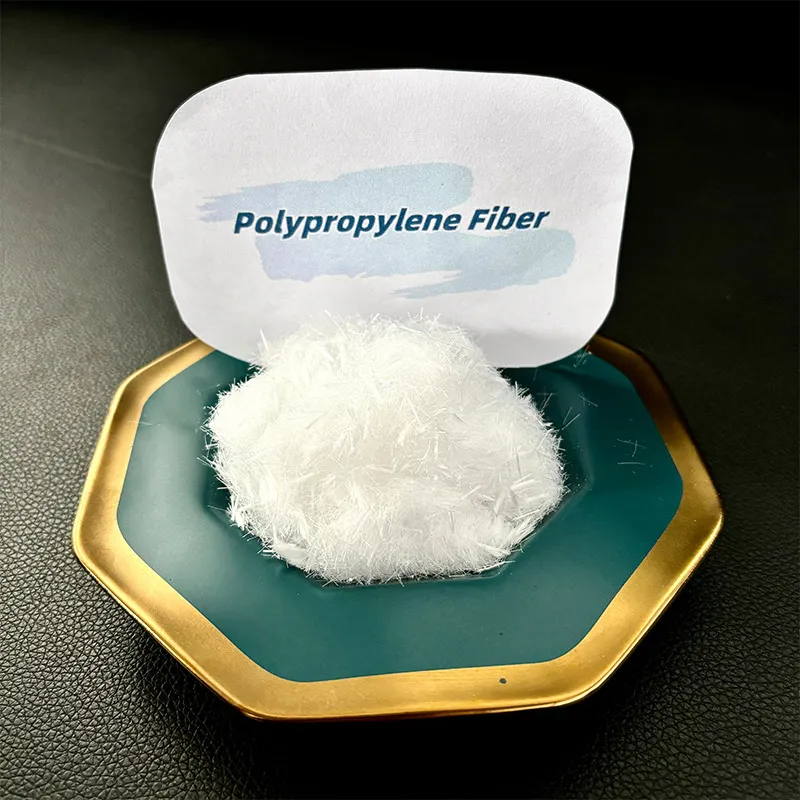
Fiber reinforced polypropylene (FRP) represents a groundbreaking advance in material science, unique -
 hidroximetilcelulosa
Oct . 25, 2025
Delving into the realm of skincare often feels like navigating a maze, replete with a plethora of in -
 apa_itu_serat_polipropilen
Oct . 25, 2025
When exploring the vast world of pharmaceutical and construction materials, one cannot ignore the co


